
Polyhouse
Farming
A Polyhouse is a specific type of greenhouse that uses polyethylene (a specialized translucent plastic) as the covering material. Think of it as a “high-tech tent” for plants.
While a traditional greenhouse might use expensive glass, a polyhouse uses flexible, UV-stabilized plastic films. This makes it a much more accessible and popular choice for farmers and hobbyists, especially in varying climates like India’s.
How It Works:
The Greenhouse Effect
Polyhouse farming operates on the greenhouse effect:
Sunlight enters through the transparent plastic covering.
Plants and soil absorb this energy and release it as heat.
The plastic covering traps this heat inside, preventing it from escaping.
This process creates a controlled micro-climate that is warmer and more humid than the outside environment, allowing crops to grow efficiently year-round.
Key Environmental Controls
To ensure optimal plant growth, polyhouses manage four critical factors:
Temperature – Regulated using ventilation, cooling pads, fans, or heaters.
Humidity – Controlled through misting or fogging systems to reduce plant stress.
Light – Managed using UV-stabilized films or shading nets to protect crops from harsh sunlight.
Atmosphere – In advanced setups, CO₂ enrichment is used to boost photosynthesis and plant growth.
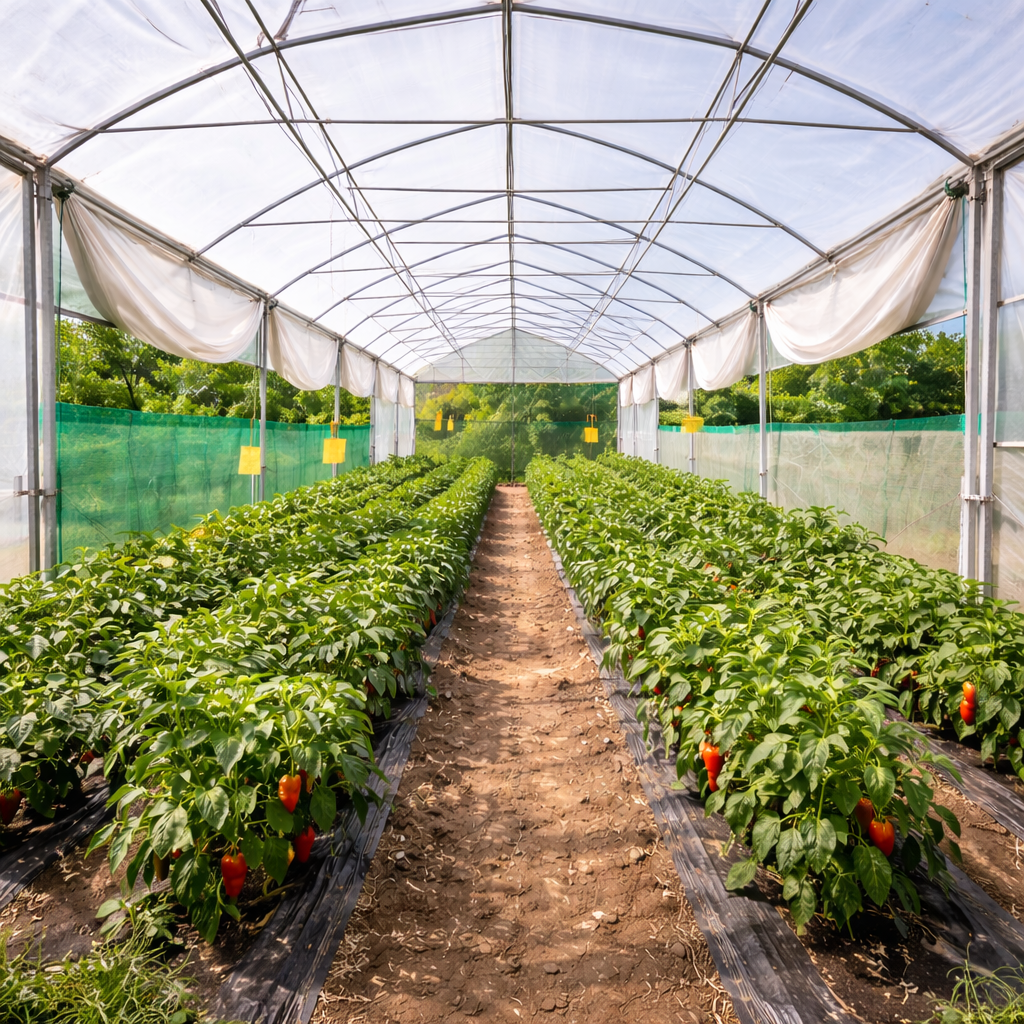
Naturally Ventilated Polyhouse
Uses natural ventilation through vents and side curtains, making it cost-effective, energy-efficient, and ideal for beginners and small-scale farmers.
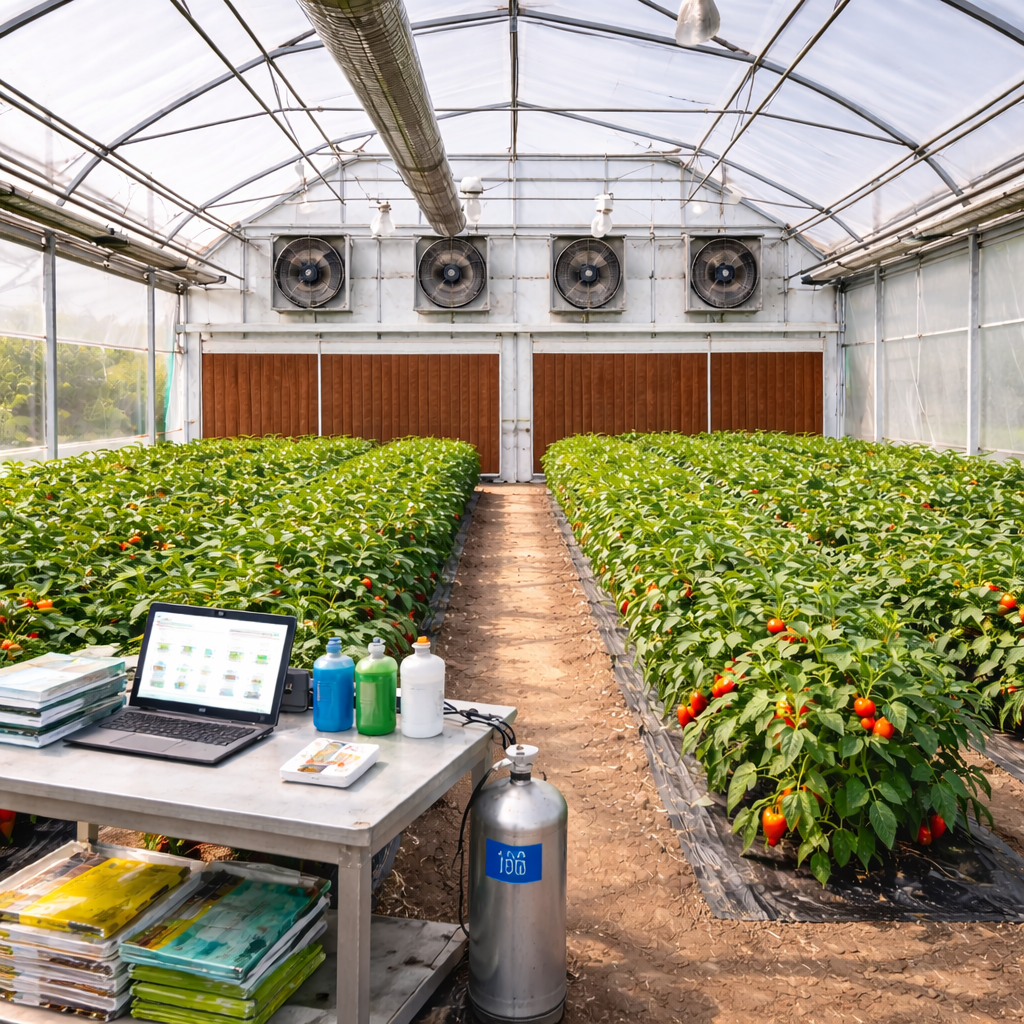
Climate-Controlled (Hi-Tech) Polyhouse
Fully automated climate control using cooling pads, exhaust fans, heaters, and sensors, making it ideal for high-value crops and large-scale commercial farming.
-
Why Choose Polyhouse Farming?
The biggest advantage of a polyhouse is complete environmental control—you’re no longer dependent on unpredictable weather conditions.
- Higher Yield & Better Quality
Plants focus energy on growth instead of survival.
3 to 10 times higher yield compared to open-field farming.
Uniform size, color, and quality—ideal for export markets.
- Off-Season Cultivation
Off-Season Cultivation
Grow vegetables and flowers throughout the year.
Sell crops when market supply is low and prices are high.
Excellent profit potential for tomatoes, cucumbers, capsicum, roses, and more.
- Better Pest & Disease Control
Better Pest & Disease Control
Physical barrier against insects and birds.
Reduced fungal and soil-borne diseases.
Lower pesticide usage, resulting in safer and cleaner produce.
- Resource Efficiency
Water savings of up to 40–50% using drip irrigation.
Efficient fertigation delivers nutrients directly to plant roots.
Minimal wastage of water and fertilizers.